
Recessed, surface or suspended magnetic track: design and installation
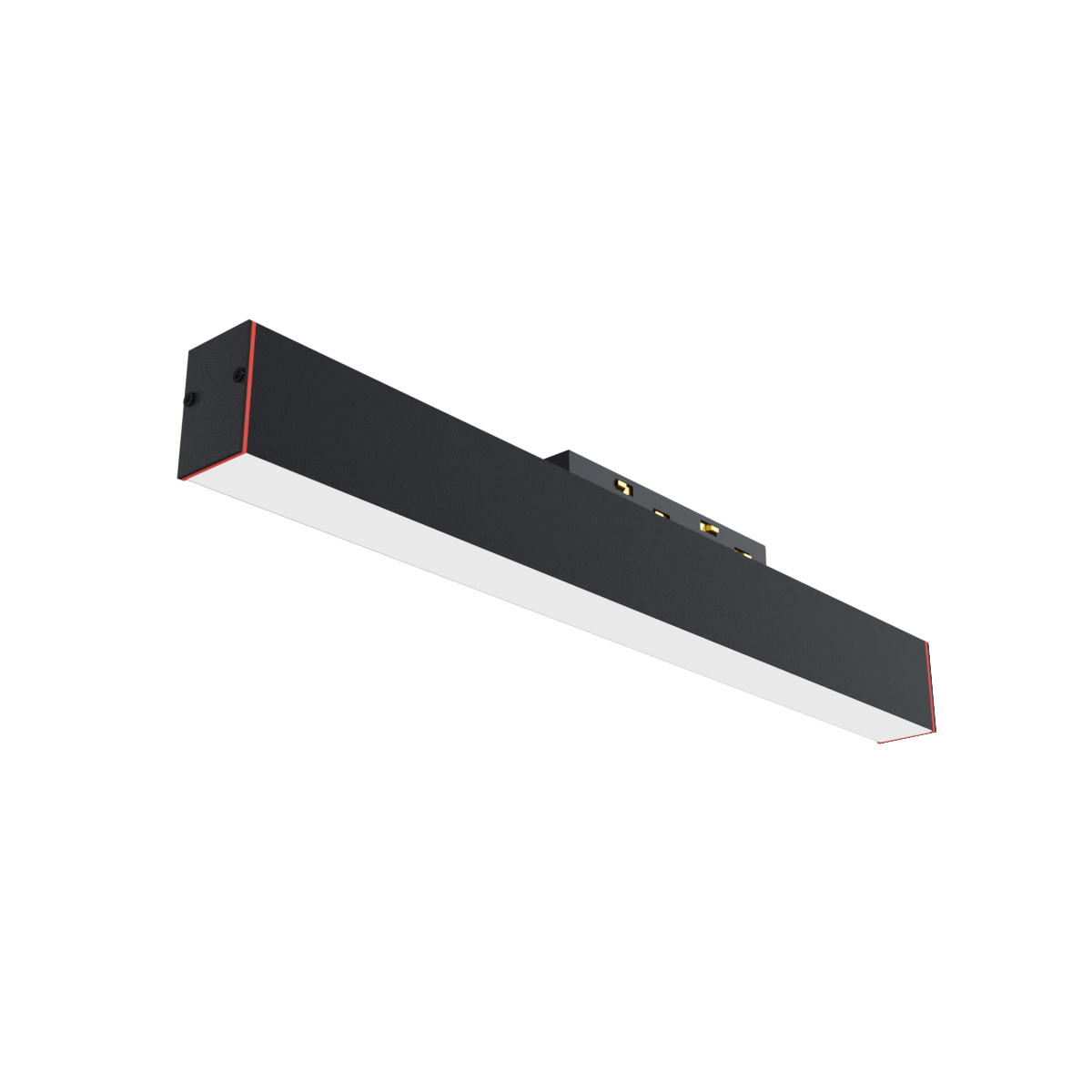
Compare three magnetic-track mounting methods for ceiling preparation, visual impact, maintenance access and project timing.
What does the mounting method change?
Recessed track is integrated into the ceiling, surface track sits on the finished plane and suspended track defines a line below it. All may carry compatible modules within one family, but their architectural details and decision times differ.
Choose the system family first using the magnetic track lighting guide. Track dimensions, power supply and connectors must remain coordinated throughout the route.
Recessed magnetic track
Recessed mounting suits suspended ceilings and projects that want a lower visual presence from the track body. It needs a channel, support framing, accurate alignment and coordination before finishing. Power and service access must not disappear behind an inaccessible surface.
Its principal benefit is architectural integration; its main risk is a late decision that requires ceiling rework. Give the confirmed track section to the ceiling team before framing.
Surface magnetic track
Surface mounting can suit an existing plane or a project with limited channel depth. The track remains visible, so its colour, section and alignment become part of the composition. Direct installation does not remove the need to plan power and connectors.
Maintenance access is usually clearer, and the method can be practical in refurbishment. The supporting surface must accept secure fixing and a controlled power route.
Suspended magnetic track
Suspended track can suit high ceilings, exposed services or a design that brings the light line closer to the working plane. Suspension height, fixing points, horizontal alignment and cable management directly affect the result.
Because the line has a stronger visual presence, its relationship to walls, tables, counters and other ceiling lines should be resolved in elevation and section. Qualified teams must design and verify the mechanical support.
Final selection and common mistakes
Compare ceiling type, height, programme, available framing, desired visual presence, service access and future change. Then coordinate the route, corners, power supply and modules for the selected mounting method.
Ordering modules before confirming the track, mixing incompatible families and overlooking supply capacity are costly mistakes. If the system components are unfamiliar, begin with what is magnetic track lighting?